My Mission
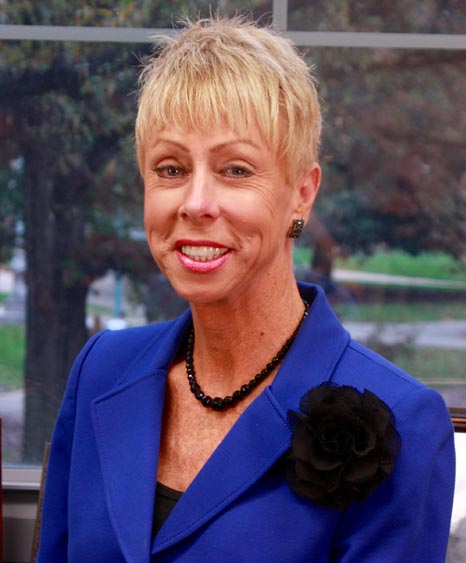
A Note from North Carolina State Auditor Beth Wood:
Growing up on the farm in Craven County, I had daily chores from an early age and my parents taught me the value of hard work. I became a dental assistant and worked my way through college at ECU to earn my accounting degree. I have worked as a Certified Public Accountant for 30 years, and for the past 22 years I have worked in the State Auditor’s office, including my three terms as North Carolina State Auditor. I work every day to protect all of our tax dollars.
As State Auditor, I have:
- Identified hundreds of millions of dollars in wasteful spending
- Maintained objectivity and independence in the Auditor’s office
- Produced audits with irrefutable findings
- Aggressively presented audit reports for legislative action
- Followed up on previous audits to ensure corrective actions are taken
- Continued to identify abusive and wasteful spending of your taxpayer dollars
I remain undeterred in my mission to protect taxpayers every step of the way. From start to finish, I vow to safeguard how your tax dollars are spent.
Beth Wood, CPA